

Food, Family, The Godfather, and the Island That Turned Out to Be Nothing Like I Expected. Before I started working for a company that specializes in small group tours of Sicily, I thought I knew the island. Not intimately, of course. I’d never been there. But like a lot of Americans, I felt oddly familiar with it. I knew about the Mafia. I knew The Godfather. I knew Mount Etna was in Sicily. I loved Italian food. I could easily have pointed to Sicily on a map if someone had asked. And because all of those pieces felt familiar, I assumed I had a pretty good idea of what Sicily was.
I couldn’t have been more wrong. Not because those things aren’t part of Sicily. They are. The problem is that they’re only fragments of a place that has been surprising me ever since I started learning about it. The more I dug into Sicily, the more I realized I wasn’t just learning about an Italian island. I was discovering how much of what Americans think they know about Italy is connected to Sicily, and how much of Sicily has been hidden behind a handful of familiar images.
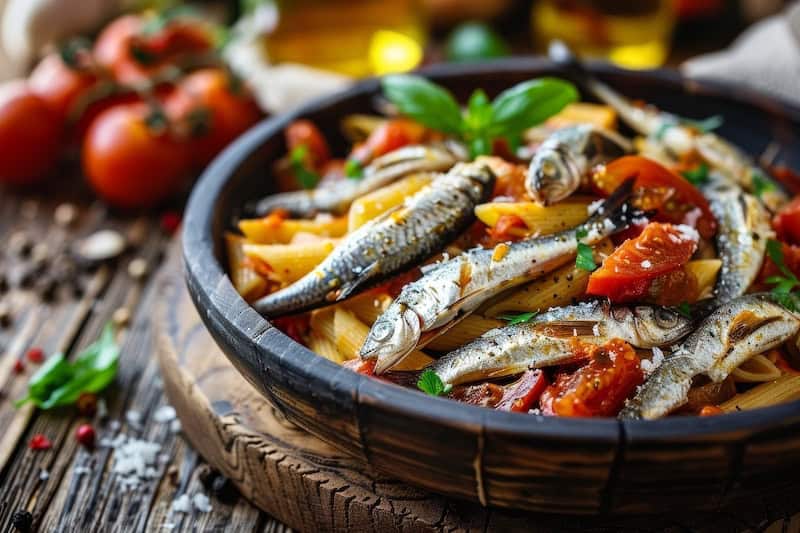
We Think We Know Italian Food
Ask an American to picture Italian food and you’ll probably get a familiar list. Pasta. Meatballs. Cannoli. Fresh bread. Rich tomato sauce. A long family dinner that somehow lasts half the afternoon. It turns out those images didn’t come from nowhere. For generations, immigrants from Sicily and southern Italy brought their recipes, traditions, and family tables with them to the United States. Those dishes evolved, adapted, and eventually became what many Americans simply call “Italian food.”
That doesn’t mean every Italian region eats the same way. In fact, one of the things that surprised me most about traveling through Italy is realizing just how regional Italian cuisine really is. I remember looking at Venice’s menus thinking, “Well…this is going to be an adventure.” Not because the food isn’t good. It is. But it isn’t the version of “Italian food” I’d grown up with. Then I started learning about Sicily. Suddenly so many pieces clicked into place. The flavors felt familiar again, but not because Sicily was trying to imitate American Italian food. It was the other way around.
Our idea of Italian food has deep roots in Sicily and southern Italy. That doesn’t mean you’ll find the same dishes your grandmother made. It means you begin to understand where some of those traditions began. Walking through a Sicilian market, sharing a meal prepared by local cooks, tasting wines grown in volcanic soil, or learning family recipes in a cooking class isn’t simply eating well. It’s discovering the story behind flavors you’ve probably known your entire life.
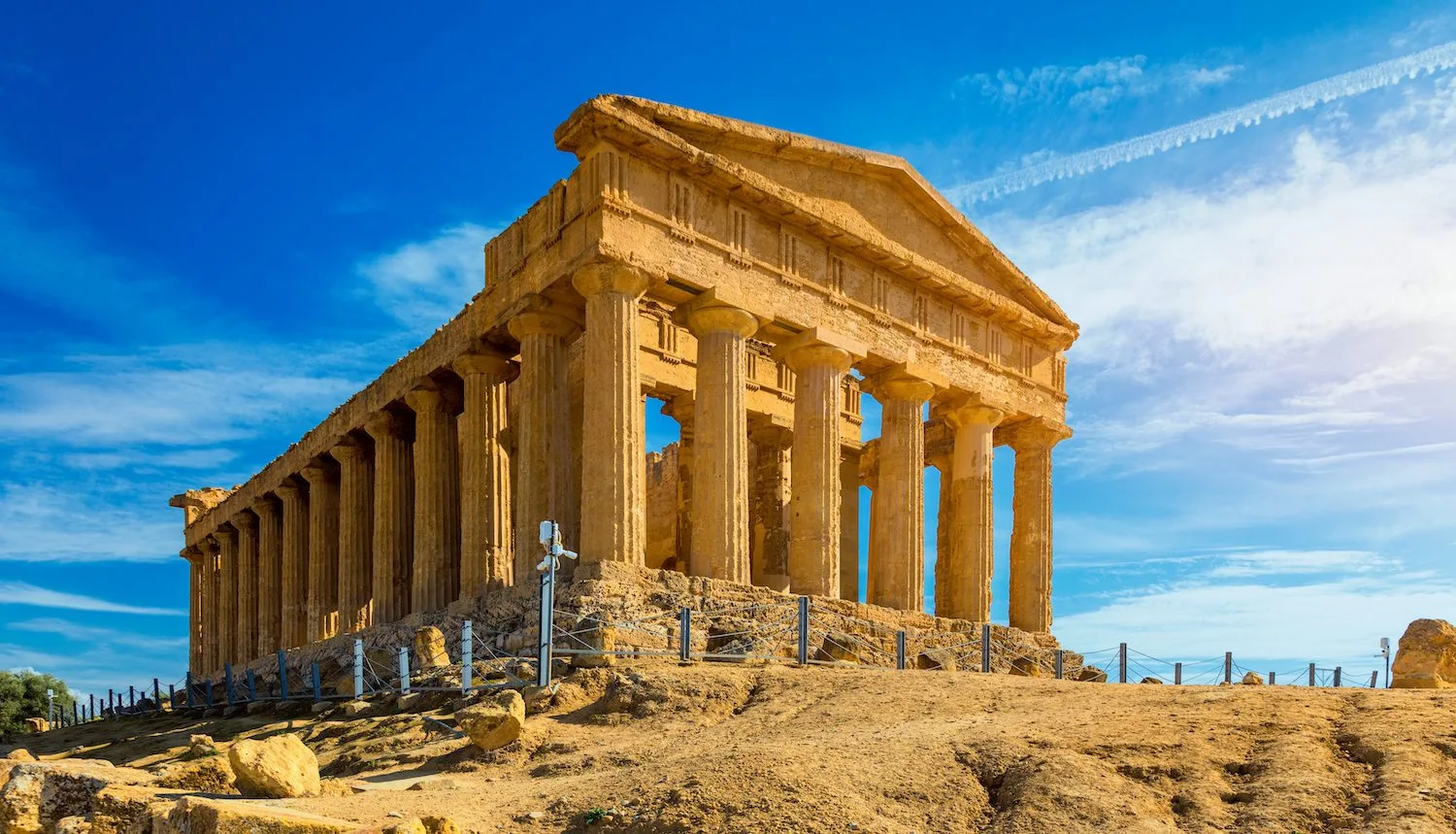
We Think We Know Ancient History
I’ve always loved ancient Greece. Give me a documentary about Sparta or Athens and you’ve got my attention. So, imagine my surprise when I realized I’d somehow overlooked one of the most important chapters of Greek civilization. In Sicily.
That honestly embarrassed me a little. I knew about Greece. I knew about Rome. I somehow hadn’t appreciated just how deeply Greek civilization shaped Sicily. You don’t visit Sicily and stumble across a few isolated ruins. You find entire landscapes where Greek history still dominates the horizon. The temples of Agrigento. The ancient theater in Taormina. Segesta. The archaeological treasures of Siracusa. You’re still in Italy. And yet there are moments when it feels as though you’ve stepped into another civilization entirely. That realization changed the way I think about the ancient Mediterranean.
Sicily wasn’t sitting on the edge of history. It helped make it.
We Think We Know What “Italian” Means
America has a long relationship with Italy. Millions of immigrants crossed the Atlantic carrying recipes, dialects, family traditions, faith, music, and memories of home. Many of them came from Sicily and southern Italy. Those traditions became neighborhoods. Restaurants. Bakeries. Sunday dinners. Family stories passed down through generations.
Over time, many Americans inherited an idea of Italy that wasn’t shaped by every region equally. It was shaped by the experiences of the families who came here. Maybe that’s one reason Sicily feels strangely familiar before you’ve ever set foot there. It’s not because you’ve been there. It’s because, in one way or another, Sicily has already been here.
We Think Sicily Is a Small Island
This one genuinely made me laugh. When I first started working with Sicily, I remember thinking, “Okay…it’s an island.”
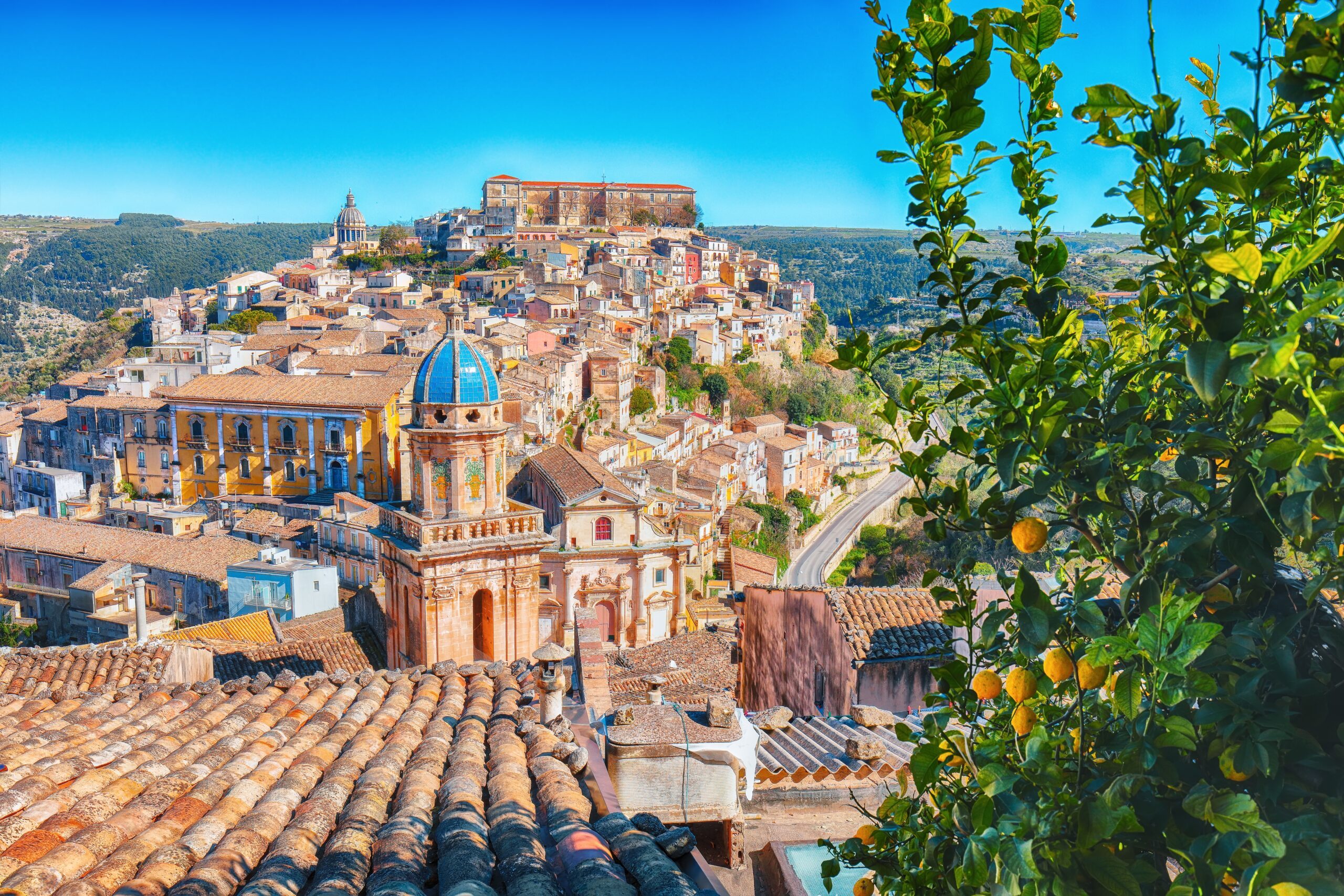
Then I started looking at maps. Then itineraries. Then travel times. And my reaction quickly became something closer to: That is not an island. That’s practically its own continent.
On a map, Sicily doesn’t look intimidating. In reality, it’s enormous. The places people dream about visiting aren’t clustered together in one convenient area. Palermo isn’t Taormina. Taormina isn’t Siracusa. Siracusa isn’t Agrigento. Add Mount Etna, baroque hill towns, vineyards, coastal villages, archaeological parks, and nature reserves, and you begin to understand why people spend weeks exploring the island.
Working behind the scenes for a Mediterranean tour company gave me a new appreciation for what goes into planning a journey like this. From the outside, travelers see beautiful hotels, wonderful meals, and seamless transportation. Behind the scenes, it takes years learning which roads make sense, which hotels consistently deliver, which restaurants are worth the drive, how long transfers really take, and how to build an itinerary that feels relaxed instead of rushed.
And this is where I have to admit something: I help with this stuff for a living, and Sicily can still make me want to put my head in my hands. It is a big island. The places you want to see are spread out. The logistics are complicated. You have to know who to trust, what can realistically be done in a day, and which seemingly simple journeys are anything but. For the locals who own and work for the company, this seems easy. They’ve been doing it for years. As the American on the team, I am constantly reminded of just how much I don’t know.
I’ll admit something else. Knowing what I know now, I wouldn’t plan my own trip to Sicily. Not because I couldn’t. Because I finally understand how much I don’t know.
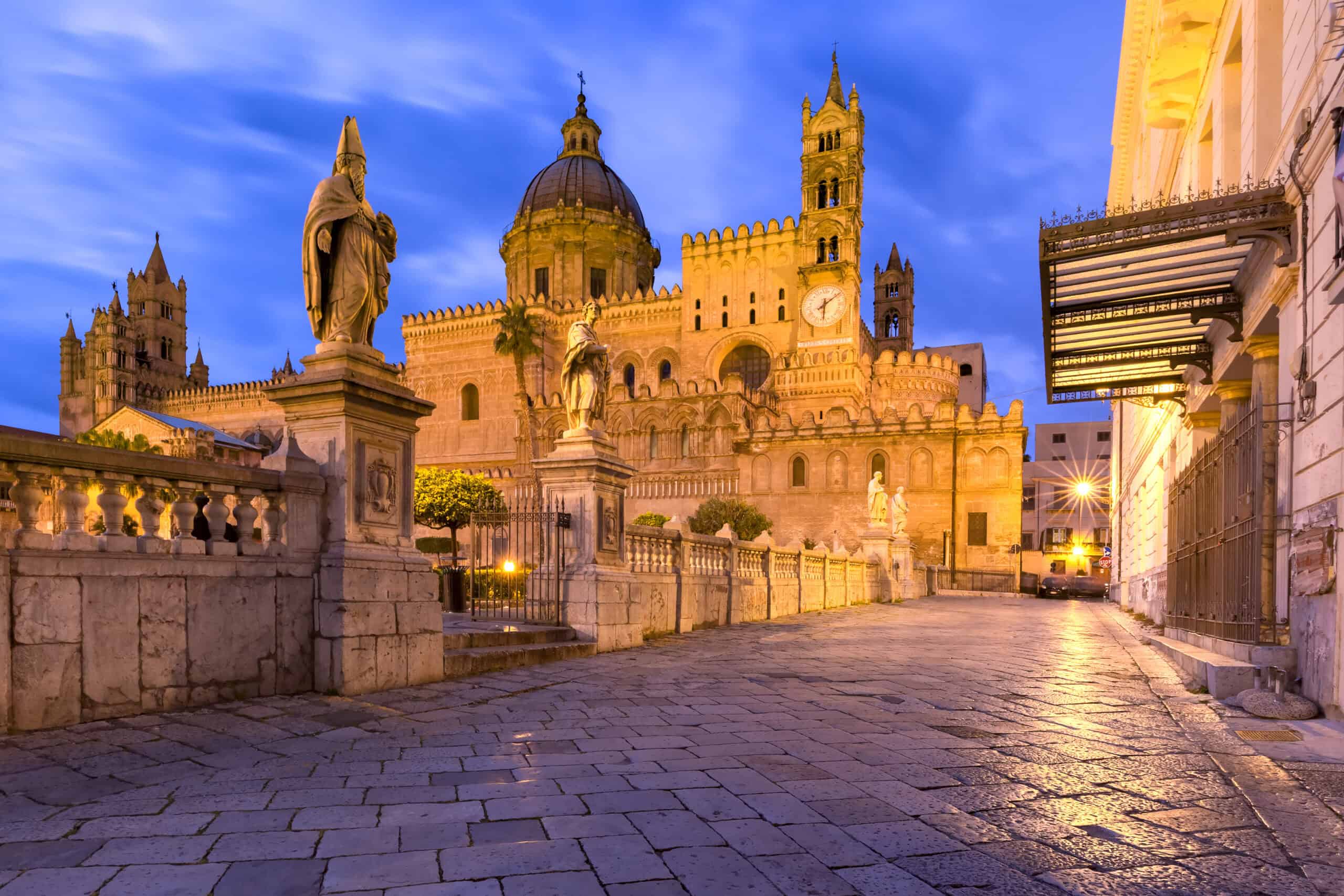
We Think We Know Sicily Because We’ve Seen The Godfather
No American cultural image has shaped Sicily more than The Godfather.
It’s an extraordinary film. It also casts a very long shadow. The Mafia is part of Sicily’s history. Ignoring that would be dishonest. But allowing it to define the island would be just as misleading.
Sicily is also ancient Greek temples glowing in the evening light. It’s vineyards growing in volcanic soil beneath Mount Etna. It’s bustling food markets where generations of families have shopped. It’s ornate Baroque cities rebuilt after earthquakes. It’s fishermen bringing in the day’s catch. It’s grandparents teaching grandchildren recipes that never made it into cookbooks.
It’s ordinary people living ordinary lives in an extraordinary place. Places like Corleone matter because they tell part of Sicily’s story. But they’re only one chapter. The island is far older, richer, and more complex than any movie could ever capture.
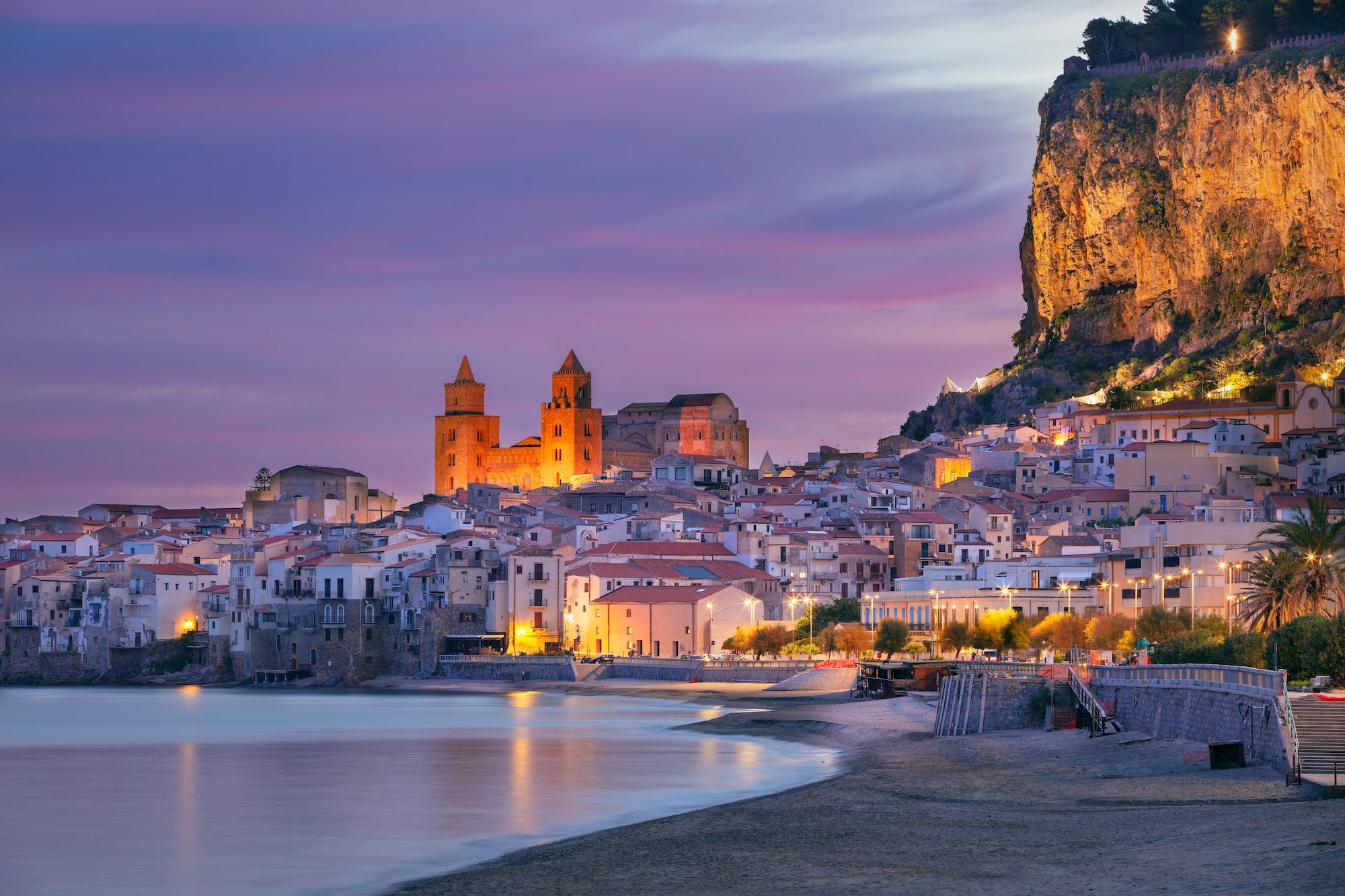
The Sicily I Didn’t Know
The biggest surprise wasn’t discovering that I had been wrong about Sicily. It was discovering that I had only been partially right. The food I recognized really was connected to Sicily. The family stories really were part of its history. The ancient ruins really are breathtaking. The Mafia really did leave its mark. But none of those pieces, by themselves, explain Sicily. The more I learned, the more the island refused to fit into a simple category.
It’s familiar. It’s foreign. It’s unmistakably Italian. It’s unlike anywhere else in Italy. Maybe that’s why Sicily has captured my imagination. I thought I knew what I would find there. Instead, I found a place that challenged almost every assumption I started with. And I suspect I’m not the only American who would be surprised by the Sicily waiting beyond the one we think we already know.
Ready to experience Sicily beyond just the familiar images? Join Secret Travels on our Captivating Sicily tour and let us handle the details.
Our thanks to writer Julianna Boyd for crafting this blog article