

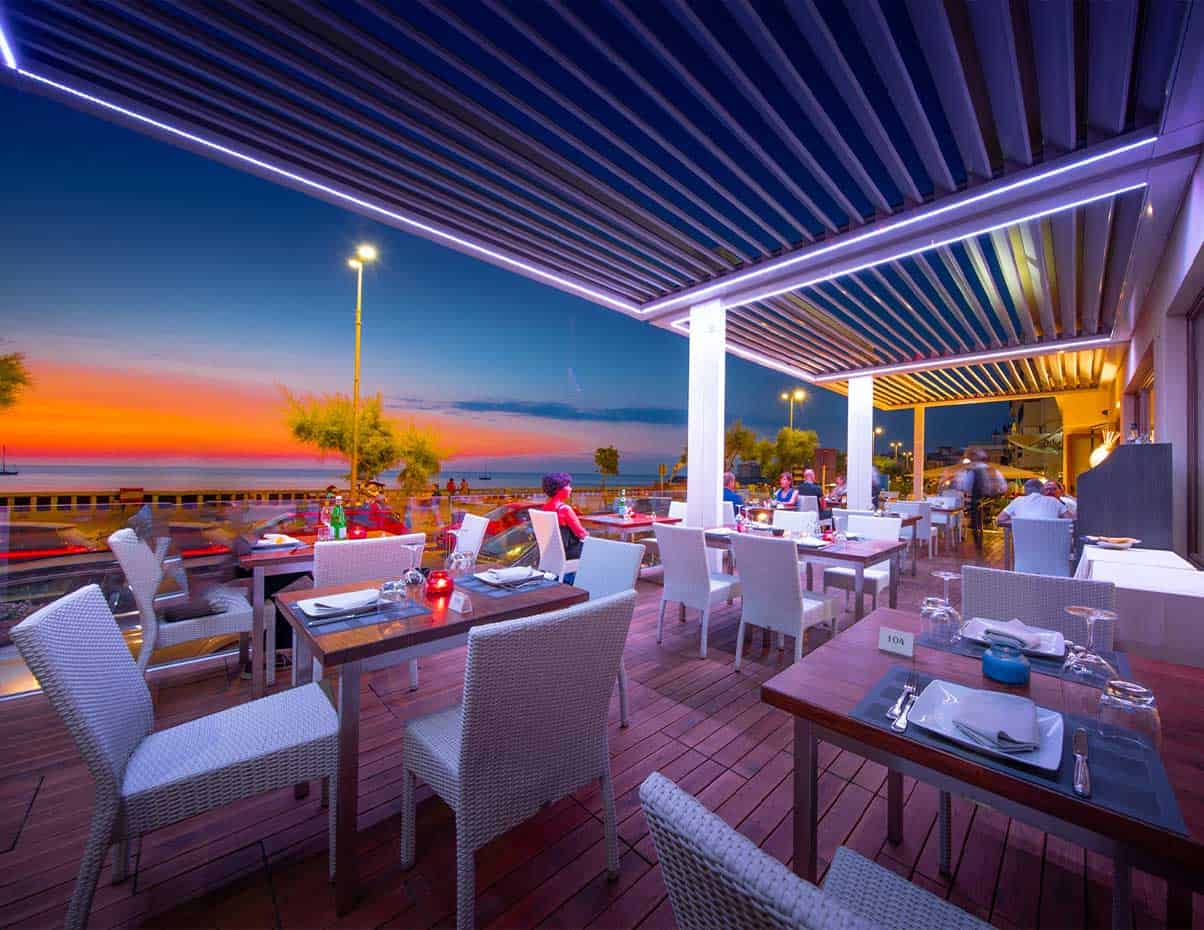
Choosing between a small group tour vs large coach tour shapes nearly every aspect of your Italy or European trip, from which restaurants you’ll actually get seated at to how much genuine flexibility you have each day. On paper, both promise to show you the same destinations, but the on-the-ground experience often couldn’t be more different.
This guide breaks down exactly what changes when you travel in a group of 12 to 15 rather than 40 or more, so you can decide which format genuinely fits how you want to experience Italy, Spain, Portugal, or the wider Mediterranean.
Small Group Tours Italy vs Big Bus Tours: The Core Difference
The distinction in small group tours Italy vs big bus tours comes down almost entirely to group size, and that single variable cascades into nearly every other part of the trip. A 45-seat coach fundamentally limits where you can go, since many of Italy’s most charming hilltop towns, narrow medieval streets, and family-run restaurants simply cannot accommodate a vehicle that size or a group that large.
Small group tours, by contrast, use vehicles suited to 12 to 15 travelers, opening up access to genuinely intimate locations, boutique hotels, and dining experiences that large coach itineraries have to route around entirely.
Why Choose Small Group Travel: What You’re Actually Gaining
Understanding why choose small group travel over the coach alternative starts with recognizing what you gain beyond simply “fewer people.” Smaller groups mean your guide can actually learn names, answer individual questions in depth, and adjust the day’s pace based on what the group is genuinely interested in, rather than sticking rigidly to a schedule built for efficiency across a large crowd.
This translates into a trip that feels curated around the people actually on it, rather than a standardized itinerary delivered identically to every group that passes through, regardless of interests or energy levels.

Small Group Tour Advantages: Beyond Just Group Size
The small group tour advantages extend well past comfort into genuinely different access and experiences. These typically include:
- Boutique, hand-selected accommodations rather than large chain hotels built to handle coach-sized groups
- Reservations at smaller, family-run restaurants that simply can’t seat 40+ people at once
- Flexible daily pacing, allowing the group to linger somewhere unexpectedly wonderful or skip something that isn’t resonating
- Genuine relationship-building with both your guide and fellow travelers over the course of the trip
- Access to narrow streets, small piazzas, and hilltop towns that large coaches physically cannot navigate
These advantages compound over a multi-day trip, creating a noticeably different overall experience rather than just a marginally more comfortable version of the same tour.
Large Coach Tour Disadvantages: What You’re Trading Away
Understanding large coach tour disadvantages helps clarify exactly what’s being sacrificed for the lower price point coach tours often advertise. Large groups typically mean standardized restaurant reservations at venues built to handle high volume rather than intimate, authentic dining. Itineraries tend to be more rigid, since coordinating bathroom breaks, meal timing, and site visits for 40-plus people leaves little room for spontaneous adjustment.
Perhaps most significantly, the sheer size of the group changes the character of every stop, arriving somewhere as a wave of 45 tourists creates a fundamentally different, more transactional experience than arriving as a group of 12 who can actually engage with a place and its people.
Intimate Travel Experience Small Group: What This Actually Looks Like Day to Day
An intimate travel experience small group travel provides shows up in small, cumulative moments throughout a trip: your guide remembering that you mentioned loving a particular wine and steering you toward a specific vineyard, a restaurant owner recognizing your group and bringing out something special because you’re a manageable, memorable number of guests, or simply having the flexibility to stay an extra twenty minutes somewhere because the whole group agrees it’s worth it.
These moments are structurally difficult, sometimes impossible, to replicate at coach-tour scale, regardless of how skilled or well-intentioned the guide might be.
Small Group Tour Europe Benefits: A Continent Built for This Format
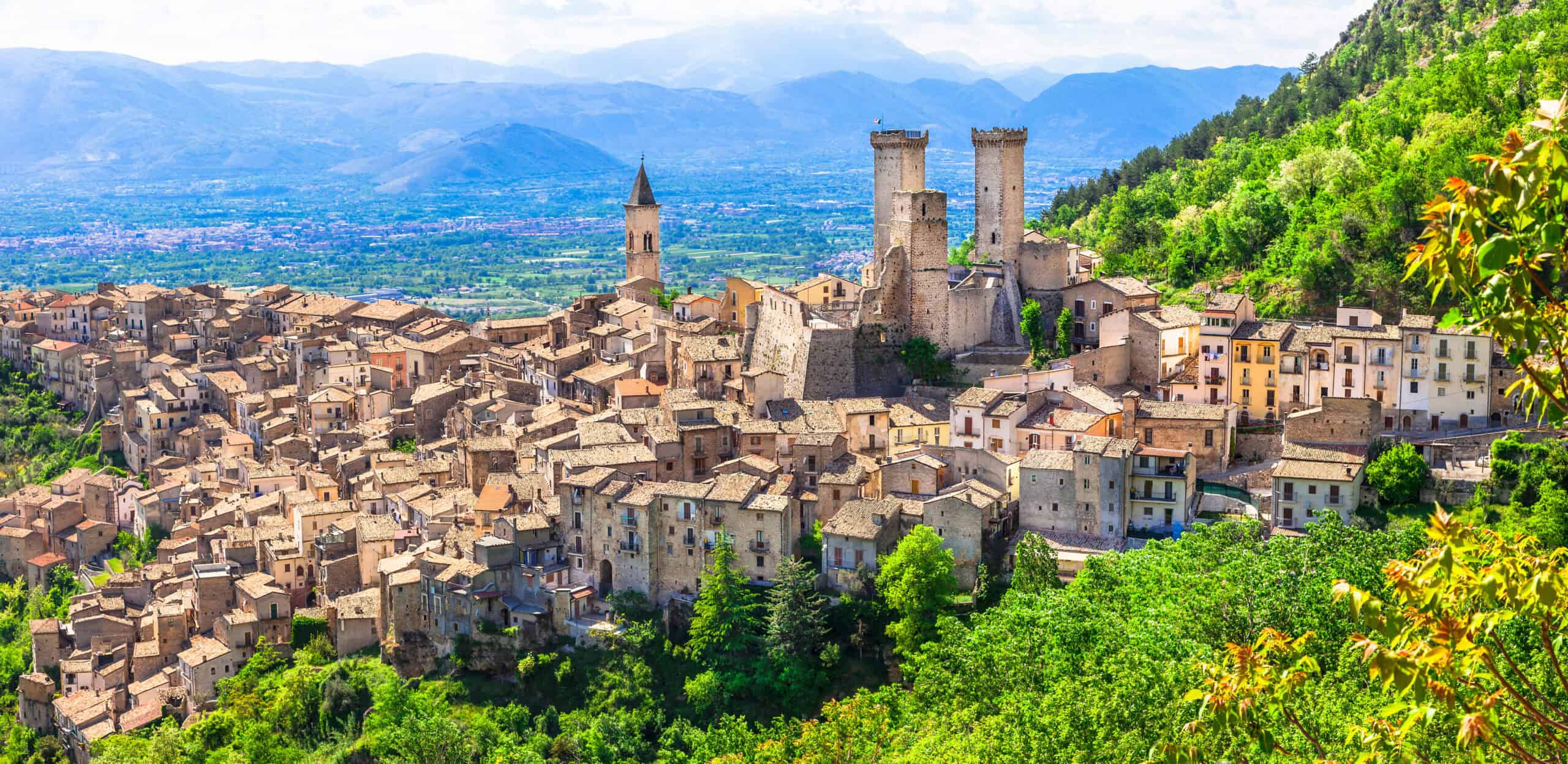
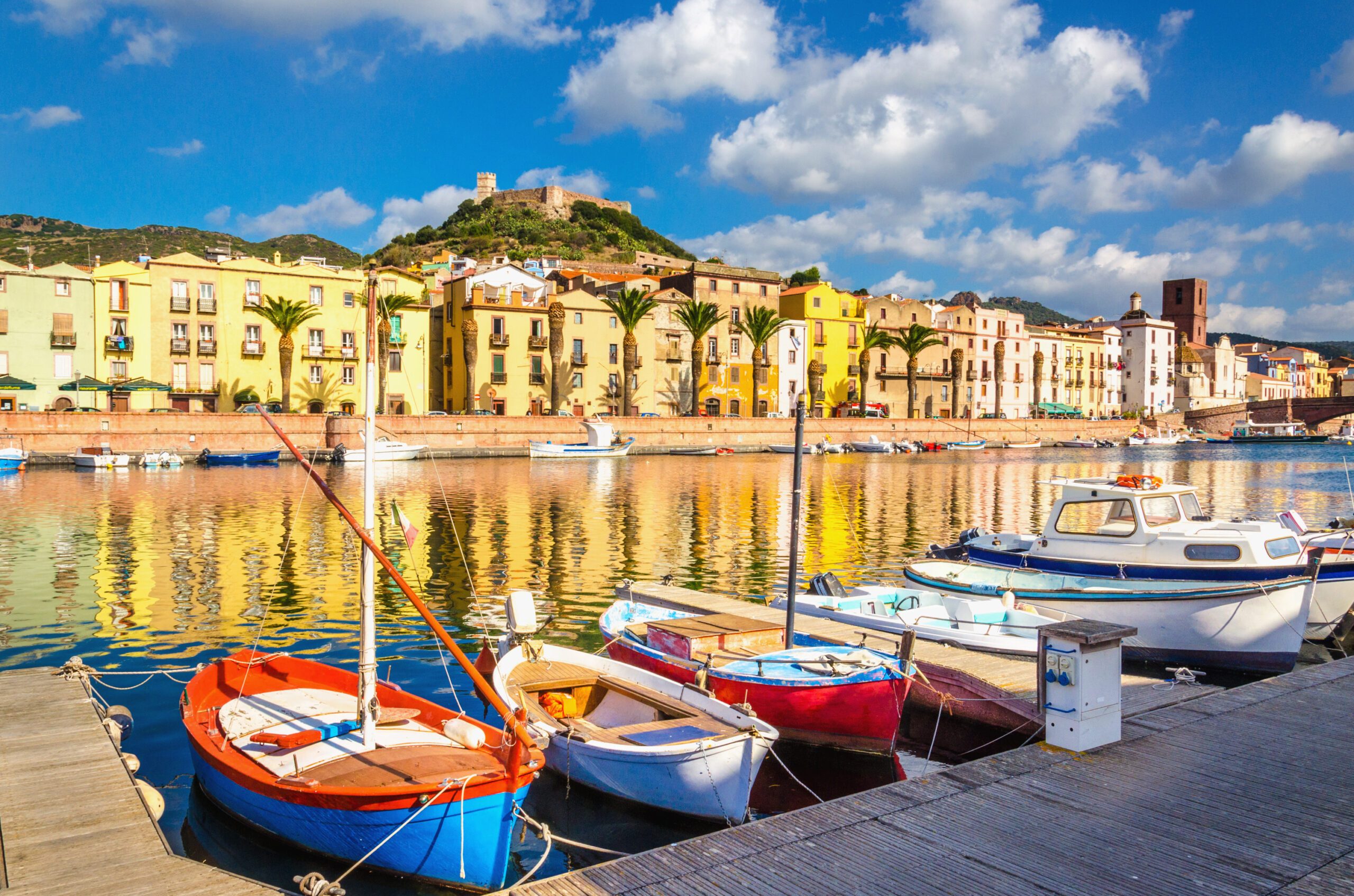
Small group tour Europe benefits become particularly pronounced across regions with narrow historic centers, family-run establishments, and hilltop or coastal towns built centuries before large vehicles existed. Destinations like Sicily, the Amalfi Coast, and Puglia genuinely reward the smaller format, since much of their charm lies precisely in the intimate, human-scale streets and villages that large coaches must bypass entirely.
This isn’t a minor logistical detail, it’s often the difference between seeing a region’s postcard highlights from a distance and actually walking through its most characterful, least accessible corners.
Personalized Travel Small Group vs Coach: How Guides Actually Work Differently
The personalized travel small group vs coach distinction shows up most clearly in how a guide can actually operate. With 12 to 15 travelers, a guide can genuinely tailor commentary, answer detailed questions, and notice when someone needs extra help or a slower pace. With 40-plus travelers, guides necessarily shift into a more one-directional, broadcast-style delivery, simply because individual engagement at that scale becomes logistically impossible.
This difference in guiding style alone significantly shapes how much you actually learn and connect with a destination versus simply viewing it.
Small Group vs Large Tour Group Size: Understanding the Numbers
Looking specifically at small group vs large tour group size, the practical threshold matters more than people often realize. Groups of 12 to 15 can move through a medieval town’s narrow streets, fit comfortably into a family restaurant’s private dining room, and board smaller boats or vehicles inaccessible to larger tours. Once a group exceeds roughly 20 to 25 people, these same logistics become considerably more constrained, and by the time you reach 40-plus travelers, entire categories of experience become simply unavailable.
Understanding this threshold helps explain why the difference between “small group” and “large coach” isn’t a matter of degree, it’s often a difference in what’s structurally possible at all.
Is Small Group Travel Worth It: Weighing the Investment
Whether is small group travel worth it depends on what you value most from your trip. If price is the absolute deciding factor and you’re comfortable with a more standardized, efficiently-run itinerary, large coach tours offer genuine value at scale. If authentic access, meaningful guide relationships, flexible pacing, and the kind of experiences that feel genuinely curated rather than mass-produced matter more to you, the case for small group travel becomes considerably stronger, even at a moderately higher price point.
For many travelers, the deciding factor comes down to a simple question: do you want to see Italy, or do you want to actually experience it, since those two goals genuinely lead to different trip formats. You can explore the full range of small group tour destinations to see how this format plays out across different regions of Italy and the wider Mediterranean.
Frequently Asked Questions
1. How much smaller is a small group tour compared to a typical coach tour?
Small group tours typically max out around 12 to 15 travelers, compared to large coach tours that often carry 40 or more, a difference that fundamentally changes which locations and experiences are accessible.
2. Are small group tours significantly more expensive than large coach tours?
Small group tours often carry a moderately higher price point, though this typically reflects genuinely different accommodations, dining, and access rather than the same experience at a markup.
3. Can small group tours visit places large coach tours physically cannot?
Yes, many hilltop towns, narrow historic centers, and small family-run establishments across Italy and the Mediterranean simply cannot accommodate large coaches or groups of 40-plus travelers.
4. Do small group tours offer more flexibility in the daily itinerary?
Generally yes, smaller groups allow guides to adjust pacing, linger at unexpected highlights, or skip underwhelming stops in a way that’s logistically difficult to coordinate with a much larger group.
5. Is a small group tour better for solo travelers wanting to meet people?
Often yes, since smaller groups naturally foster more genuine connections between travelers over the course of a multi-day trip, compared to the more anonymous experience of a large coach group.
Final Thoughts on Small Group Tour vs Large Coach Tour
Choosing between a small group tour vs large coach tour ultimately comes down to what you actually want from your time in Italy or Europe, broad, efficient coverage at a lower price point, or genuine access, flexibility, and connection at a moderately higher one. For travelers who want to experience a destination rather than simply pass through it, the small group format consistently delivers a meaningfully different, more memorable trip.
Toll Free (USA/Canada): 1-980-243-5852
Email: Available via our Contact Us page